

Sales forecasting accuracy often feels like trying to shooting an arrow while riding around on the deck of a ship on Deadliest Catch. No matter what the board wants, it’s never going to be perfect. Sales forecasting is about getting more and more accurate, not hitting the bullseye every time.
What You Will Learn about Sales Forecasting
This guide breaks down sales forecasting best practices used by high-performing revenue teams to create accurate, coach-driven forecasts—without relying on gut feel or CRM probability fields.
If you’re a CRO, VP of Sales, sales leader, or founder who’s tired of “we feel good about the quarter,” this will help you:
- Build accurate sales forecast without relying on gut feel, wishful thinking, or a magic CRM probability field.
- Understand forecast ownership vs. number ownership (and why confusing them breaks everything).
- Diagnose pipeline health early—before the quarter becomes a group therapy session.
- Run deal-level inspection that surfaces risk, protects integrity, and improves win rates.
- Use rollups correctly (and avoid the “compounding optimism” trap).
- Align forecasting with sales coaching, sales management training, and enablement so forecasting becomes a performance system—not a reporting ritual.
Executive Summary
Sales forecasting is not a spreadsheet exercise, a CRM checkbox, or a quarterly guessing game. It’s a leadership discipline. Your forecast is the output of three things:
- Pipeline health (what you built weeks/months ago)
- Deal truth (what you actually know vs. what you hope)
- Coaching discipline (how managers inspect and improve deals)
When forecasting works, revenue becomes predictable. When it fails, leaders manage surprises instead of outcomes.
Most forecasting problems aren’t tool problems. They’re system problems: unclear stages, weak discovery, inconsistent coaching, and a culture that rewards optimism over honesty.
Why Sales Forecasting Breaks in Most Organizations
- Forecasts are rolled up, not inspected.
- Stages are named, but there is no exit criteria.
- Reps forecast hope instead of evidence.
- Managers inspect activity instead of deal quality.
- Leaders trust CRM hygiene over buyer behavior.
If forecasting meetings do not change rep behavior, improve deal quality, or surface risk earlier, that meeting is not forecasting. It’s documentation.
Related resources:
Sales Forecasting Best Practices Start with Coaching, Not Math
Accurate forecasting is the output of coaching. High-performing revenue teams use forecasting conversations to pressure-test assumptions, validate buyer evidence, identify discovery gaps early, and coach next steps instead of negotiating close dates in a vacuum.
Consultative selling resources:
The Three Sales Forecasting Owners (And Why Most Teams Confuse Them)
1) The Rep Sales Forecast (Deal Owner)
Reps own deal truth. If the rep can’t articulate the buyer’s reality, the deal is not forecastable.
2) The Manager Sales Forecast (Forecasting Owner)
Managers own inspection. Their job is to validate evidence, identify risk, coach gaps, and make the forecast less fictional.
3) The VP/CRO Sales Forecast (Number Owner)
Leaders own forecast integrity—patterns, risk distribution, and standards.
Pipeline Health: The Real Leading Indicator in Sales Forecasting
Revenue misses because pipeline health was weak months earlier and nobody wanted to admit it.
Supporting pages:
Stage Definitions and Exit Criteria (Where Sales Forecasting is Won or Lost)
Stage names without exit criteria are decorative. Every stage must represent a buyer decision (not a seller activity). And just so you know, Demo and Proposal are not proper stage names when it comes to sales pipelines or sales forecasting. They are Exit Criteria.
Sales Forecasting Categories That Actually Matter
Commit, Best Case, and Pipeline are usually enough—if you enforce them with evidence.
Sales Forecasting Rollups: Helpful or Harmful?
Rollups can help, but they also compound optimism. Rollups only work when inputs are inspected weekly and category definitions are enforceable.
Spreadsheet vs CRM vs Intuition Sales Forecasting
Best teams combine CRM discipline with human inspection and scenario modeling.
Deal-Level Inspection: The Sales Forecasting Multiplier
The fastest path to forecast accuracy is not new fields—it’s better questions.
Rep Accountability Without Micromanagement
Forecasting should reward honesty. If reps are punished for misses instead of coached on risk, they stop telling the truth.
Common Forecasting Myths That Kill Accuracy
Probability weighting won’t fix a broken system. CRMs don’t create truth. Forecasting is a weekly operating rhythm.
What Best-in-Class Forecasting Actually Looks Like
Weekly inspection, clear exit criteria, simple categories, pipeline health reviews, and coaching-led accountability—this is the system.
Final Thought: Forecasting Is Earned
The most effective sales forecasting best practices aren’t installed. You earn it through discipline, coaching, and uncomfortable honesty.
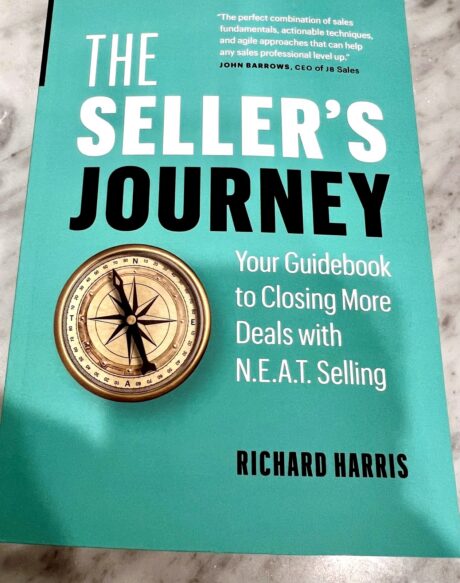
By Richard Harris, Founder of The Harris Consulting Group
www.theharrisconsultinggroup.com
If your forecast feels optimistic but unreliable, it’s not a tooling problem—it’s a coaching problem.
Schedule a free consultation or call/text Richard directly: 415.596.9149