
Updated for 2026
It’s time to plan for sales training, and here’s the most important thing to consider. If you just want to check the box to say you’ve done training, you’ve already set yourself up for failure. Any good sales trainer or sales training company can immediately tell when this happens. Here are a few examples:
- You ask your HR department to conduct the initial search and conversation.
- Your sales leader never joins the conversation until after the contract has been signed.
- You think salespeople are turnkey.
If this is your mindset, you’ve already failed, and you should update your resume and start looking for a new job.
And here’s the truth: it has never been easy to choose a sales training company. Everyone we know has had at least one hangover from choosing the wrong sales training company.
If the existence of your company relies on revenue from a sales team, any shortcut you think you can take when choosing the best sales training company is going to increase your odds of failure.
Yes, this is harsh. We say these things because we want to make sure you do not have that kind of experience again. Choosing a sales training company requires more than comparing course catalogs, client logos, and promises.
If you do not speak with the actual sales trainer who will train your team, you may want to consider other providers. The more you know about the trainer, the more you will understand whether the company is right for you. You need to know who will own the engagement, who will actually deliver the training, how the program will be customized, and what happens after the workshops end.
The best sales training company for your team is the one that can analyze and prioritize your specific needs, help create a common language, align your sales methodology with the training, and provide the conversational and soft-skills training that fills gaps in your sales funnel. It should deliver customization and consistency, involve managers as well as the sales team, provide extended reinforcement for everyone, and show how progress will be measured.
Short Answer
The best sales training company will have the exact skills you want to see in your best sales reps. They spend more time diagnosing your specific pains and challenges before talking about themselves. They will not interrogate you. They will ask the right questions to go deeper than, “We need help with negotiation and closing.” And the best of the best will want to speak with your sales team, including your Grumpy Gus, so they can help determine whether the team will buy in to the trainer and program.
Choose another sales training company if it does not offer meaningful customization, consistent delivery, manager enablement, reinforcement, and accountability. Sure, a recognizable brand is useful, but it does not guarantee that the person assigned to your team will understand your buyers, sales motion, or challenges.
What You Will Learn
- How to compare sales training companies beyond brand recognition
- What to ask about trainers, staffing, and delivery consistency
- How much customization a provider should offer
- Why manager enablement and reinforcement matter
- What proof and references you should request
- Which warning signs suggest a provider may not be the right fit
- How to distinguish the training company from the sales training program and the individual sales trainer
Sales Training Company Checklist
- A named internal resource, often a sales leader, who owns the engagement and remains accountable from planning through reinforcement and beyond
- Transparency about which type of sales training organization and which trainers will work best with your team
- A consistent sales methodology and quality standard
- Customization around your buyers, roles, sales process, and sales motions
- Manager enablement and reinforcement built into the program
- A clear implementation plan for multiple teams, regions, or roles when needed
- Client references and evidence from engagements of similar scope
- Guidance on reports and dashboards that help you track desired improvements
Who Owns and Delivers the Training?
Whether you are training a small team or a larger, dispersed organization, success will not come down to only the sales training company or the sales trainer. It will also depend on the person or people responsible for making sure reinforcement continues after the engagement. A lack of internal accountability is often one of the biggest reasons sales training fails. Yeah, the trainer could have been a dud. Except you hired them, so that is on you too. Make sure the company you hire knows how to support accountability beyond lip service.
Before choosing a company, ask who owns the engagement, who designs the program, who conducts each session, and how the company keeps delivery consistent across trainers. Request the background of the people assigned to your team, not only the credentials of the company’s founder or sales representative. At The Harris Consulting Group, we help you lay this out. We even encourage conversations with sales team members before signing a contract. Let them give the trainer a sniff test and see whether they fit.
If you are also evaluating the individual facilitator, read How to Choose the Best Sales Trainer for Your Team.
Key Elements of the Best Sales Training Companies
Look, here’s the deal – most sales training is bad. It’s either outdated garbage from the 1990s or some theoretical framework that falls apart the second your reps try to use it in the real world. You need sales training that actually works in today’s market, where buyers are smarter, more informed, and have zero patience for old-school sales tactics.
The best sales training companies don’t just deliver one-off sessions – they create lasting transformation through comprehensive programs. Their approach typically encompasses several crucial elements:
Customization Capabilities
This is a must have, not a nice to have. The best sales trainers and sales training companies understand that no two organizations are identical. They take time to understand your specific industry, sales cycle, and challenges before designing a program. They adapt their methodologies to align with your company’s culture and goals rather than forcing a rigid, one-size-fits-all approach.
Breadth of Expertise
Excellence in sales training goes beyond basic selling techniques. They include customized sales training including the following:
- Role Playing and real playing to workshop your deals
- Modern prospecting strategies
- Strategic questioning and discovery
- Value proposition development
- Negotiation skills
- Pipeline management
- Virtual selling expertise
- Social selling and digital engagement
Ongoing Reinforcement
Research shows that without reinforcement, up to 87% of training content is forgotten within weeks. Elite training companies address this through structured follow-up programs, including:
- Regular sales coaching sessions
- Digital learning platforms
- Practice scenarios
- Real-deal role-playing
- Performance metrics tracking
Leadership Alignment
One standout feature of the best sales training companies is their focus on leadership development alongside team training. This dual approach ensures:
- Consistent messaging across all levels
- Enhanced coaching capabilities for managers
- Aligned performance expectations
- Sustained implementation of new methodologies
- Regular leadership reinforcement sessions
Real-World Application, Not Theory
I’ll tell you what drives me nuts – trainers who’ve never actually carried a quota or had to hit numbers themselves. How in the world are they supposed to teach your sales team? You need someone who’s been in the trenches, who knows what it’s like to have a pipeline that looks like a desert and a quarter that’s slipping away.
Your customized sales training program should:
- Focus on practical skills your team can use tomorrow
- Adapt to your specific sales motion and market
- Include real examples and actual call recordings
- Give your reps tools they can use right away
Leadership Buy-In Is Non-Negotiable
Here’s something most training companies won’t tell you: if your leadership team isn’t fully committed and involved, you’re basically setting fire to your money. That’s why we always include specific sessions for leaders and managers. They need to know how to:
- Coach their teams effectively
- Reinforce the training daily
- Spot and fix problems early
- Keep the momentum going after we leave
Questions to Ask Before Hiring
- Who owns the engagement from discovery through reinforcement?
- Who will design the program?
- How much input will we have in designing the program and reinforcement sessions?
- Who will deliver each session?
- Will the assigned trainers remain involved after the workshops?
- Can the company scale across teams, roles, regions, or languages if needed?
- What implementation support is included?
- How will participation, behavior change, and business impact be reported?
- Can the company provide relevant references?
These questions keep the evaluation focused on choosing the company, not simply evaluating one trainer.
Identifying Industry Leaders
We are humbled to be identified by outside experts as one of the best sales training companies in the world. Rather than tooting our own horn, we will let these people do it for us. We have been listed as one of Salesforce’s Best Sales Training Programs and Courses to Level Up Your Game, by Hubspot’s Best Sales Training Programs, one of Chris Orlob’s Best Sales Training Companies, and Highspot’s 2025 list of The 25 Best Sales Training Programs. We appreciate the recognition by these organizations and people.
Now onto more important things.
Sales Training Company Evaluation Scorecard
Diagnosis
Strong answer: Reviews your sales process, buyers, calls, and current challenges.
Warning sign: Recommends a standard program before understanding the problem.
Offers a Sniff Test
Strong answer: Asks to speak with your sales reps, especially your Grumpy Gus, so you can evaluate team buy-in.
Warning sign: Does not offer this as part of the evaluation process before you sign a contract.
Trainer Assignment
Strong answer: Identifies who will deliver the work and explains that person’s experience.
Warning sign: Will not confirm the trainer until after the contract is signed.
Customization
Strong answer: Uses your deals, buyers, language, and sales motion.
Warning sign: Changes only the logo and a few examples.
Delivery Consistency
Strong answer: Uses experienced trainers with clear standards and accountability.
Warning sign: Quality depends entirely on which trainer is assigned.
Manager Enablement
Strong answer: Prepares managers to reinforce and coach the skills.
Warning sign: Treats management participation as optional.
Reinforcement
Strong answer: Includes practice, follow-up, and implementation support.
Warning sign: Ends the engagement after the workshop.
Measurement
Strong answer: Defines behaviors and outcomes before training begins.
Warning sign: Measures satisfaction or attendance only.
Accountability
Strong answer: Clearly defines provider and client responsibilities.
Warning sign: Promises results without explaining what implementation requires.
A larger company may be the right choice when you need simultaneous delivery across multiple countries, regions, or languages. A smaller provider may offer more continuity, direct access, and customization. Size should be evaluated against your requirements, not treated as proof of quality.
Comparing sales training companies? Talk with Richard about your buyers, sales motion, and training goals. We will tell you whether we are the right fit and, if we are not, help point you in the right direction. Discuss your sales training requirements.
The Best Sales Training Company has…
Proven Track Records
Look for companies with:
- Verifiable success stories
- Client testimonials from your industry
- Recognition from respected industry sources
- Quantifiable results from past engagements
Modern Methodology
The sales landscape evolves rapidly. Your training partner should help you evaluate:
- Updated content reflecting current market conditions
- Address the sales reps mindset, not just their KPI requirements
- Integration of digital selling techniques
- Understanding of modern buyer behavior
- Adaptation to remote/hybrid selling environments
Measurement and Analytics
Superior sales training companies provide guidance around:
- Clear metrics for success
- Regular progress assessments
- ROI tracking mechanisms
- Performance analytics tools
Ongoing Support That Actually Works
One-and-done training is dead. Period. If someone’s trying to sell you a single workshop with no follow-up, run the other way. Your team needs:
- Training AND reinforcement sessions
- Reinforcement for management is a must have as well.
- Coaching sessions that address real deals
- Practical tactics they can use in their daily workflow
- Access to updated content as the market changes
- Someone to call when things aren’t working
What Proof Should You Request?
By all means, you want proof of success. Be mindful, though, that industry experience is not something to over-index in your decision. It can matter, but it matters less than many people think. It is one of the biggest reasons for a sales training hangover. You thought you hired the right provider, but the trainer or content was outdated, the program did not include effective reinforcement, or the facilitator simply did not gel with your sales team.
Ask for evidence from engagements similar in size, complexity, and delivery model to yours. Review the assigned trainers’ experience, client references, implementation plans, sample reporting, and examples of how the company customized its material.
If several trainers will deliver the program, ask how facilitators are selected, certified, observed, and coached, especially if you are not able to speak with each facilitator during the selection process.
Company-level awards and client logos can be helpful, but they do not replace evidence that the assigned team can deliver the quality you expect.
Boutique or Large Training Company?
Go big or go home, or go small and stand tall? Yes, this is an important thing to consider. Each type of organization has strengths and weaknesses. Bigger is not always better. It is also not always worse.
A boutique firm can provide greater access to senior expertise, faster execution, deeper customization, and more continuity from planning through delivery. A larger company may offer more facilitators, broader geographic coverage, additional technology, or simultaneous rollout across many teams.
Neither model is automatically better. The decision should be based on the size and complexity of your rollout, the experience of the people assigned, the consistency of delivery, and the level of personal accountability you expect.
And the ultimate deciding factor: will your team engage with the facilitator enough that they actually want to implement the training?
Red Flags to Avoid
Generic Programs
Beware of companies that:
- Offer cookie-cutter programs to all clients
- Make “magic bullet” promises
- Refuse to customize their approach
- Use outdated case studies
- Ignore industry-specific challenges
Lack of Leadership Integration
Poor training providers often:
- Focus solely on frontline sales staff
- Ignore sales management development
- Skip leadership reinforcement
- Fail to align organizational goals
Short-Term Focus are not what best sales training companies do
Avoid companies that:
- Provide only one-time sessions
- Lack follow-up programs
- Don’t offer ongoing support
Outdated Methods are not what best sales training companies offer
Watch out for:
- Exclusive focus on traditional selling
- Ignoring digital transformation
- Rigid, unchanging methodologies
- Lack of adaptation to market changes
How Should Implementation Work?
Sales training is not a one-and-done thing. It should not be eight hours in a conference room of show up and throw up. It also should not be a super-long engagement just to get the content into the hands of the sales team.
A company-wide program needs more than workshop delivery. Ask for an implementation plan that defines scope and mutual responsibilities, reinforcement cadence, participant practice, reporting, and ownership after each session.
For larger rollouts, clarify how the company will keep content and coaching consistent across facilitators, regions, and roles. A strong provider should be able to explain how feedback is gathered, how the program is adjusted, and how leaders will know whether the training is being used.
The goal is consistent execution across the organization, not simply completion of a training event. If you just want to check the box to say you have done training, you have already set yourself up for failure. Our Sales Management Training and Coaching helps managers reinforce the same skills and language after the initial sessions.
Business Impact
Choosing the best sales training company is a critical decision that affects:
- Revenue growth
- Team morale, recruiting, and retention
- Customer satisfaction
- Market competitiveness
- Hitting revenue goals
The best sales training programs deliver both immediate improvements and long-term sustainable growth. They create a culture of continuous learning and development that extends beyond the sales team to impact the entire organization.
Investment Considerations
When evaluating best sales training companies, consider:
- Total cost of program
- Return on investment timeline
- Resource requirements
- Implementation support
- Long-term value proposition
The most effective programs often require significant investment but deliver substantial returns through improved performance and increased revenue.
FAQ
How do you compare sales training companies?
It’s actually just like interviewing a sales rep. Start by comparing how each company handles discovery, customization, delivery, practice, manager participation, reinforcement, and measurement. Do they start with a deck? If so, run away. Do they start by confirming the budget? If so, run away. Try not to compare companies based only on their logo salad, brand recognition, or methodology. The best sales training company is the one that understands your buyers, sales motion, goals, and specific behavioral challenges before recommending a program and can customize it specifically for your organization.
Is a large sales training company better than an independent provider?
Potentially, but not always. If you have a globally dispersed team and need broad geographic coverage, a larger company may be better. The challenge is that consistency can suffer when multiple trainers deliver the training in different regions. A large company may offer more facilitators, geographic coverage, and standardized resources, while an independent provider may offer greater access to senior expertise, deeper customization, and more consistent delivery. The right choice depends on your team’s size, locations, complexity, and whether the person conducting discovery will remain involved during training and reinforcement.
Who should conduct the discovery, training, and reinforcement?
Absolutely, it should be the person who will actually do the training. Any sales training organization that forces you through qualification and discovery before meeting the trainer is a big red flag in many cases. Sales training is very specific, and you do not want information getting lost between different people before you reach the trainer. It creates a horrible buyer experience.
What proof should a sales training company provide?
Ask the provider to role-play one of your deals with you. Most people don’t think to do this unless they are interviewing a sales rep. Well, hiring a sales training company or sales trainer is pretty much the same thing. By all means, ask for referrals and look at the logo salad, but don’t get seduced by it. Ultimately, ask how the provider differentiates itself. If it cannot give you something better than a basic competitive response, how can you trust it to train your sales team to answer the competitor questions your team receives?
How customized should corporate sales training be?
All corporate sales training should be customized to your ICP, industry, terminology, sales process, sales methodology, and sales motion. It should also include real-play and role-play scenarios involving your actual prospects, pipeline deals, and current customers. If it does not, then it is not truly customized.
How much should a sales training company cost?
The honest answer is that it depends. Generally speaking, you can expect to invest between $15,000 and $30,000 for a 90-day program for a sales team of 20 people. Recording may be included, but it is important to ask whether it costs extra. The program should include the trainer’s discovery and preparation, training sessions, reinforcement sessions, separate manager reinforcement sessions, and regular access by email, text, phone, Slack, or WhatsApp.
Sales training should generally be priced at a flat rate. Hourly or per-person pricing can become expensive quickly. Use this sales training budget guide to evaluate the full investment.
What should happen after the live training?
There should be immediate reinforcement sessions with sales leaders and the sales team after training, generally within one week. You want to keep the momentum going. There should also be regularly scheduled, separate sales management sessions with the sales trainer so that train-the-trainer support can happen and create long-term sustainability.
Richard’s Perspective
Don’t fall in love with their logo salad or brand name. Just because they have worked with the biggest companies does not always mean they are right for your company. Certainly, referrals matter. Just don’t over-index on them.
The sales training company you hire matters, but the logo salad in its deck won’t guarantee success for your team. Truthfully, your sales trainer should also be the person doing the discovery, delivering the sessions, coaching managers, and providing reinforcement. That person will determine the quality of the engagement.
Before signing an agreement, confirm who will actually work with your team, how the program will be customized, what happens after the live training, and how both sides will measure progress. If those answers are unclear, the size or reputation of the provider will not solve the problem.
The Bottom Line
Here’s the truth – good sales training isn’t cheap, and cheap sales training isn’t good. But if you pick the right partner (whether it’s us or someone else), the Economic Impact will be obvious. We’ve built our reputation on delivering real results, not just feel-good sessions.
You need a sales training partner who:
- Has actually done the job
- Understands your specific challenges
- Will tell you the truth, even when it’s hard
- Sticks around to ensure success
Selecting the best sales training company requires careful consideration of multiple factors. Look for providers that offer comprehensive programs, leadership development, ongoing reinforcement, and measurable results.
Remember that the best sales training investment is one that aligns with your organization’s specific needs and goals while providing sustainable, long-term value. Take time to evaluate potential partners thoroughly, considering both their capabilities and their commitment to your success.
You wanna know how we compare to the others you may speak with? Go ahead, ask us. We have no problem sharing how and why our happiest and most successful customers choose us.
The right training partner will do more than just improve your sales metrics – they’ll help transform your entire sales organization into a high-performing, forward-thinking team ready to meet the challenges of modern selling. By choosing wisely and implementing thoroughly, you set your organization up for sustained success in an increasingly competitive marketplace.
Whether you’re looking to revamp your entire sales approach or fine-tune specific aspects of your process, the key is finding a partner who understands your needs and has the expertise to help you achieve your goals. With proper research and careful consideration of the factors outlined above, you can make an informed decision that will benefit your organization for years to come.
If you’ve made it this far you either need to book a time to talk with us or if you aren’t convinced, well, go choose someone else and call us in six months when you realize you probably made a mistake.
The right sales training company should fit your buyers, sales motion, managers, and rollout requirements. Ask who will own the engagement, who will deliver each session, how the program will be customized, and what support continues after the workshops. Those answers will tell you more than a course catalog or client logo wall.
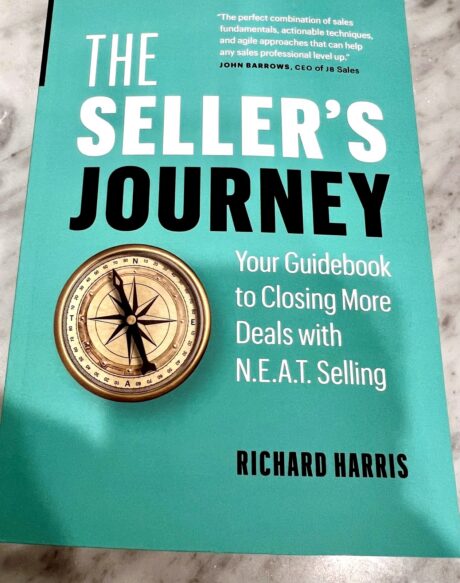
A modern methodology such as N.E.A.T. Selling™ should support your existing sales process and create a common language without forcing your team into generic scripts.